The following was created with immense help from the incredible first grade teachers at ACGC, Ashley Boeyink, Taryn Woods, and Haleigh Winkelman.
In the past few years, our literacy instruction has become even more intentional and structured as we align with evidence-based reading practices outlined in the Read Act. In first grade, a large focus of our work is building strong foundational literacy skills through explicit instruction in phonemic awareness, phonics, fluency. We are currently looking into a new curriculum to help with meeting the needs for vocabulary, and comprehension.
In our classrooms, this looks like daily structured literacy lessons through the daily UFLI curriculum, where students practice hearing and manipulating sounds, connecting sounds to letters, and applying those skills in both reading and writing. We use systematic phonics instruction and provide students with opportunities to read decodable texts that match the phonics patterns they are learning. This helps students build confidence as readers because they can apply the skills they’ve been explicitly taught.
With the Science of Reading, we know that explicit instruction in decoding combined with meaningful reading experiences helps children become strong readers. When students feel successful and excited about books, they are much more likely to keep reading and growing as learners.
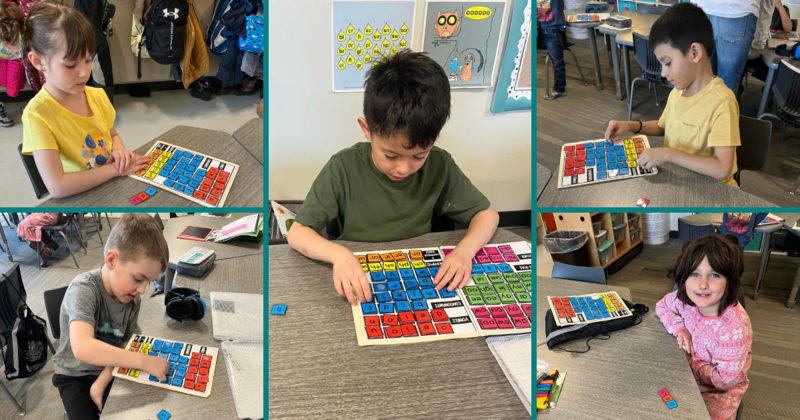
First graders love activities that let them play with sounds, read together, and feel successful. They especially enjoy building words with letter tiles and being challenged to manipulate the sounds to make new words. Students also love celebrating when they can read or spell a tricky word on their own. That moment of success is very motivating!
Another important part of the Read Act is using assessment and data to guide instruction. We regularly monitor student progress and use that information to plan our literacy groups and targeted supports. We group students with similar needs, and utilize special ed and title teachers to help us target all students and provide smaller group opportunities to give students more ways to connect with their learning and each other. This allows us to meet students where they are and ensure that all learners are making progress toward grade-level reading goals. This also helps us push our advanced readers to get the enrichment they are ready for.
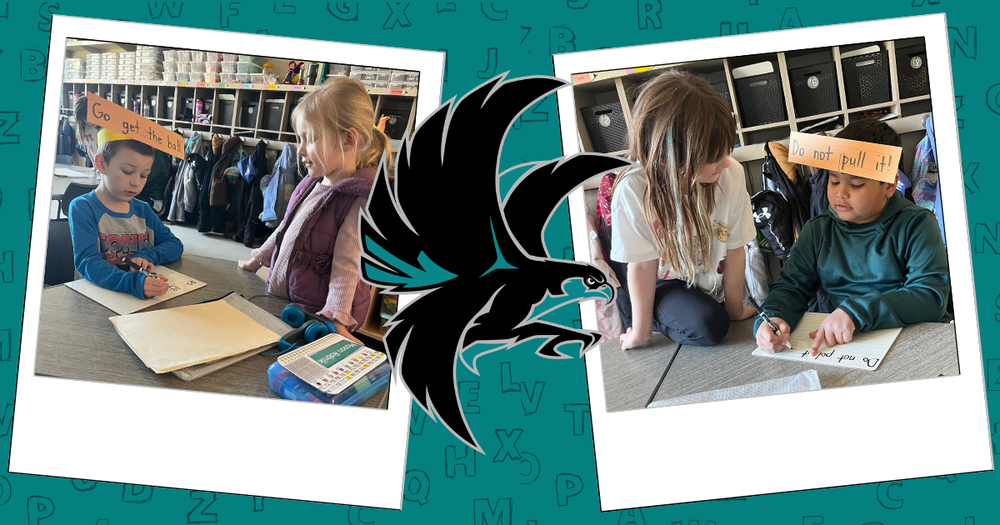
Lately students have been begging to play “Sentence Headbands” where they read the sentence their partner is wearing and help them dictate it. They help each other stretch sounds, remember spelling patterns we’ve learned, and form correct sentences. They also of course love learning “big” vocabulary words and using them as often as possible.
While the structured literacy component is essential, we also work hard to foster a genuine love of reading. Students have daily opportunities to listen to engaging read-alouds, explore classroom library books, and talk about stories together. Some of their absolutely favorite books include the Elephant & Piggie or Pigeon series by author Mo Willems and Pete the Cat books by James Dean. Building excitement around books and helping students see themselves as readers is a big part of our classroom culture.
Overall, the Read Act has helped us be even more intentional about how we teach reading and how we support students who may need additional instruction. It’s exciting to see students build confidence as they develop the skills they need to become strong readers!
Get more Reading Resources for Families
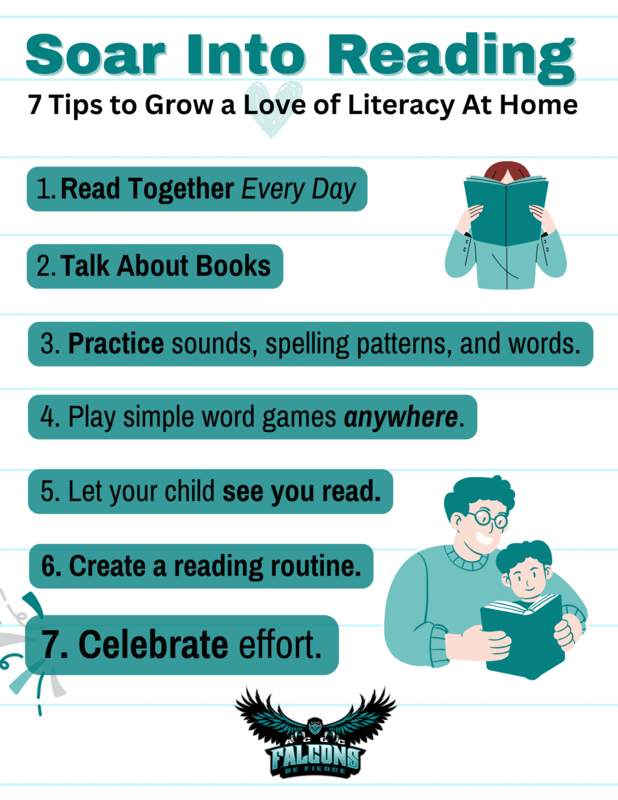
Tips from the Teachers: How Families Can Support a Love of Literacy at Home
The First Grade Team also generously shared some tips for families to keep the learning and reading going at home.
1. Read together every day.
Spend time reading with your child daily. This can include reading books to them, listening to them read, or taking turns reading pages. Hearing fluent reading helps children learn how stories sound and builds vocabulary.
2. Talk about books.
After reading, ask simple questions like:
“What was your favorite part?”
“What do you think will happen next?”
“Why did the character do that?”
Talking about stories helps children build comprehension and language skills.
3. Practice sounds, spelling patterns, and words.
The Science of Reading shows that children learn best when they practice phonics and common spelling patterns. You can support this by playing with words and patterns your child is learning. For example:
Ask your child to read and think of other words with the same spelling pattern, like cake, make, take (long a with silent e).
Practice word families, such as light, night, bright, or play, stay, day.
Ask your child to break longer words into parts: sunset → sun / set or basket → bas / ket.
These activities help children recognize patterns in words and build stronger decoding skills.
4. Play simple word games anywhere.
Learning can happen during everyday moments. In the car or at the dinner table, you can play quick word games that don’t require any materials. For example:
Say a word like stop and ask your child to say the word without the /s/ (top).
Ask your child to change one sound in a word: “Change the /m/ in mat to /s/. What’s the new word?” (sat).
Give the sounds /s/ /t/ /a/ /r/ and have your child blend them together to say the word (star).
Ask your child to add a sound: “Say at. Now add /c/ to the beginning. What word do you get?” (cat).
These short games strengthen phonemic awareness, which is a key foundation for learning to read.
5. Let your child see you read.
When children see adults reading books, recipes, signs, or instructions, they learn that reading is useful and important in everyday life.
6. Create a reading routine.
A quiet reading time each evening, even just 10–15 minutes, helps build a strong habit and shows that reading is a valued part of the day.
7. Celebrate effort.
Learning to read takes practice. Praise your child for trying hard, sounding out words, and sticking with tricky books. Confidence helps children become stronger readers.